
Root Canal tips for speedy recovery: Your guide to a pain-free smile
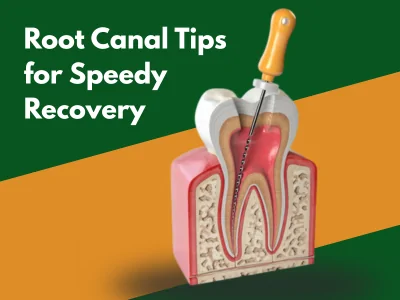
At Maple Dental, we know that hearing the words “Root Canal” can spark a bit of anxiety. However, modern endodontic therapy is a routine, highly effective procedure designed to save your natural tooth and eliminate pain, not cause it. We see this treatment as a superhero move for your mouth, keeping your smile intact and your jawbone healthy.
The procedure itself is only half the journey; how you handle the days following your appointment determines how quickly you will be back to your normal routine. To help you navigate the healing process, we have compiled this comprehensive guide on recovery tips for a smooth, speedy, and comfortable experience.
Understanding what happens during a Root Canal?
Before diving into recovery tips, it helps to understand what your body is healing from. During a Root Canal, we remove the inflamed or infected pulp from inside the tooth, disinfect the canals, and seal them.
While the “nerve” is gone, the surrounding gums and ligaments—which were likely already irritated by infection—need time to settle down. Think of it like a bruise; your body is healing from the inflammation that required the treatment in the first place. As a dedicated dentist in the High Desert of Hesperia, we prioritize your long-term health, which means making sure that the area is sterile and ready to support a permanent restoration.
The first 24 hours: managing the immediate aftermath
The first few hours after leaving our clinic are the most critical. Here is how to handle them:
1. Wait for the numbness to wear off
It is tempting to grab a celebratory meal after your appointment, but your mouth will be numb for several hours. To avoid accidentally biting your cheek, lip, or tongue—which can cause significant secondary injury—wait until the local anesthetic has completely worn off before eating.
2. Manage discomfort early
Do not wait for the pain to peak before taking action. We often recommend taking an over-the-counter anti-inflammatory shortly after the procedure, before the numbness subsides. This helps get ahead of the inflammation. If you ever feel concerned about your progress during this initial window, you can always reach us at 760-949-7274.
3. Take it easy
While a Root Canal isn’t a major surgery, your body still needs energy to heal. Avoid strenuous physical activity for at least 24 hours. Increased heart rates can lead to throbbing or bleeding at the treatment site. Prop your head up with an extra pillow when you go to sleep to reduce minor swelling.
Nutrition and eating habits
What you eat (and how you eat it) plays a massive role in your comfort level. While your tooth is healing, and especially if you have a temporary filling in place, you need to be gentle with that side of your mouth.
1. The soft food rule
Stick to soft foods for the first few days. We recommend:
- Mashed potatoes or cauliflower
- Greek yogurt or smoothies (no straws!)
- Lukewarm soups
- Scrambled eggs
- Hummus and avocado
2. Avoid the danger zone foods
Until your permanent crown or filling is placed, your tooth is more vulnerable to fractures. Avoid:
- Crunchy foods: Chips, nuts, and popcorn.
- Sticky foods: Toffee, caramel, or gum (these can pull out temporary fillings).
- Extreme temperatures: Very hot or very cold foods may cause sensitivity in the surrounding tissues.
Pro Tip: Try chewing on the side of your mouth opposite the treated tooth to give the area a total break.
Oral hygiene during recovery
Keeping your mouth clean is essential to prevent secondary infections, but you must be gentle. You still need to brush and floss, but you should move a little slower around the site of the procedure.
- Brush with care: Continue to brush your teeth, but use a soft-bristled brush. When you reach the treated tooth, use light, circular motions.
- Floss mindfully: If you have a temporary filling, be careful when flossing. Instead of pulling the floss back “up” through the teeth, slide it out sideways to avoid dislodging the temporary seal.
- Saltwater rinses: A warm saltwater rinse (half a teaspoon of salt in a cup of water) can soothe irritated gums and keep the area sterile. It gently cleans the area and can soothe any gum irritation from the dental dam used during the procedure.
Managing swelling and sensitivity
It is normal to experience some mild swelling or a “tender” sensation when you bite down in the days following the procedure. This discomfort usually peaks within the first two days and then fades away quickly.
- Cold compresses: Apply an ice pack to the outside of your cheek for 15-minute intervals. This constricts blood vessels and reduces localized swelling.
- Elevate your head: When sleeping, use an extra pillow to keep your head elevated. This prevents blood from pooling in the jaw area, which can reduce morning throbbing.
Common myths vs. reality
| Myth | Reality |
|---|---|
| “I should feel no pain immediately.” | You will likely feel “bruised” or tender for 3 to 5 days. |
| “The tooth is now invincible.” | Without a crown, a root-canaled tooth is more brittle and can crack. |
| “I don’t need the follow-up.” | The permanent restoration (crown) is vital to protect the tooth from reinfection. |
When to call Maple Dental?
While complications are rare, we want you to be informed. Most people feel significantly better every single day. However, you should call our team if you experience any of the following red flags:
- Visible swelling: Swelling inside or outside the mouth that is getting worse.
- Allergic reaction: Hives or a rash (possibly a reaction to medication).
- An uneven bite: If the temporary filling feels “high” when you close your mouth, it can cause significant pain and needs adjustment.
- Lost filling: If your temporary filling falls out completely, the canal is exposed to bacteria.
Protecting the tooth with a permanent crown
A Root Canal removes the infected pulp from inside your tooth, which essentially means the tooth is no longer “alive.” This can make the remaining tooth structure more brittle over time. That is why we almost always recommend a permanent crown following the procedure.
The crown acts like a helmet, protecting the tooth from the heavy forces of chewing and preventing it from cracking. If you have only received your temporary filling, make sure to follow up with us to get your permanent restoration. This ensures your “pain-free smile” lasts for decades to come. Our expert team is here to address your concerns and provide the information you need for a stress-free dental experience.
Reach out for professional dental care
If you are experiencing tooth pain or have not had a checkup in a while, do not wait for a small issue to become a big one. At Maple Dental, we provide comprehensive care in a warm, family-friendly environment. Our dentist in the High Desert of Hesperia team is accommodating and committed to developing long-lasting relationships with patients looking to maintain and improve their oral health.
Schedule your visit today to book an appointment or call us at 760-949-7274 to speak with our friendly staff. We look forward to seeing you at 14466 Main St #B107, Hesperia, CA 92345!

