
Dental Crown aftercare: Dos and don’ts for a long-lasting smile
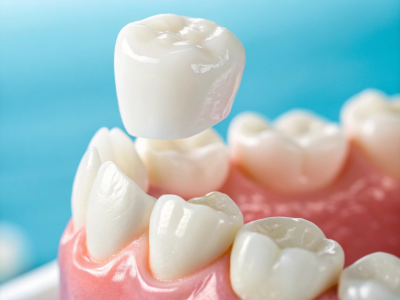
Getting a dental crown is an investment in both your oral health and your self-confidence. Whether you receive a crown to protect a weakened tooth, restore a broken one, or cap a dental implant, the goal is the same: to keep that restoration functional and beautiful for as long as possible.
While modern crowns are made from incredibly durable materials like zirconia or high-grade porcelain, they aren’t “set it and forget it” devices. The way you treat your crown in the first few days—and the years that follow—will determine whether it lasts five years or fifteen.
At Maple Dental, we want your restoration to stand the test of time. Here is your comprehensive guide to dental crown aftercare, broken down into the essential dos and don’ts.
Why does Dental Crown aftercare matter?
A dental crown is designed to be durable, but it’s not indestructible. Crowns can last anywhere from 10 to 15 years—or even longer—with proper care. Poor habits, neglected oral hygiene, or excessive force can shorten their lifespan and lead to complications like crown loosening, cracks, or decay underneath the crown.
By following the guidance of a trusted dentist in the High Desert of Hesperia, you can:
- Protect the crowned tooth and surrounding gums.
- Prevent infections or decay under the crown.
- Avoid unnecessary repairs or replacements.
- Maintain a comfortable, natural bite.
Think of your crown as a protective helmet for your tooth—it works best when treated with care.
The “immediate aftermath”: The first 24–48 hours
The period immediately following your appointment is the most delicate. The permanent cement needs time to fully bond and “cure” to your natural tooth structure.
The dos
- Do wait for the numbness to wear off: It is incredibly easy to accidentally bite your cheek or tongue while your mouth is still numb from local anesthesia. Wait until you have full sensation back before attempting to eat.
- Do stick to soft foods: For the first day, opt for yogurt, mashed potatoes, or lukewarm soup. This minimizes the pressure on the new cement.
- Do use warm salt water rinses: If your gums feel slightly tender or inflamed from the procedure, a gentle salt water rinse can soothe the tissue and promote faster healing.
The don’ts
- Don’t eat “sticky” foods: Avoid taffy, caramel, or gum. These can create a suction effect that may dislodge a freshly seated crown before the cement has reached maximum strength.
- Don’t ignore a high bite: If your teeth don’t seem to meet correctly once the numbness fades, call your dentist in Hesperia right away. A crown that is even a fraction of a millimeter too “high” can cause significant pain and even crack under the pressure of your bite.
Long-term hygiene: Protecting the foundation
A common misconception is that a crowned tooth cannot get a cavity. While the crown itself is synthetic and cannot decay, the natural tooth structure underneath it and the gum line surrounding it are still vulnerable.
The dos
- Do prioritize the gum line: When brushing, pay extra attention to the “margin”—the area where the crown meets your natural gum. Plaque buildup here can lead to gum recession or “recurrent decay” under the crown.
- Do use the right tools: An electric toothbrush can provide a more thorough clean around the edges of the restoration. Consider using a fluoride toothpaste to strengthen the remaining natural enamel.
- Do floss with care: Flossing is non-negotiable. If you find that traditional floss gets “snagged” on the edge of the crown, try using a water flosser or specialized interdental brushes.
The don’ts
- Don’t pull “up” on floss: If you use traditional string floss, don’t snap it upward. Instead, slide it out sideways through the gap between your teeth to avoid catching the edge of the restoration.
- Don’t skip professional cleanings: Only a dental professional can remove hardened tartar (calculus) from around the crown margin. Regular visits allow your dentist to check the integrity of the seal.
Habits and lifestyle: Preventing physical damage
Porcelain is strong, but it can be brittle under specific types of force. Treat your crown with the same respect you would give your natural teeth—perhaps even a bit more.
The dos
- Do wear a mouthguard: If you play contact sports, a mouthguard is essential. More importantly, if you struggle with bruxism (nighttime teeth grinding), a custom-fitted nightguard is the single best way to prevent your crown from fracturing prematurely.
- Do monitor for sensitivity: Some sensitivity to cold is normal for a few weeks. However, if you feel a sharp pain when biting down, it may indicate a crack or an issue with the fit.
The don’ts
- Don’t use your teeth as tools: Never use your crowned tooth (or any tooth) to open packages, bite your nails, or crack nutshells. The “shearing” force of these actions is the leading cause of porcelain chipping.
- Don’t chew on ice: Ice is incredibly hard and cold, causing the crown material to expand and contract rapidly, which can lead to micro-fractures over time.
Managing sensitivity and discomfort
It is perfectly normal to feel some “strangeness” in your mouth after a crown is placed. Your brain needs a few days to adjust to the new shape and texture of the tooth.
- Sensitivity: If the tooth was vital (meaning it didn’t have a root canal), the nerves might be sensitive to temperature for a while. Using a desensitizing toothpaste can help.
- Gum soreness: The process of preparing a tooth for a crown often involves manipulating the gum tissue. This should resolve within 48 to 72 hours.
Summary of aftercare: At a glance
| Action | Do | Don’t |
|---|---|---|
| Eating | Soft foods for 24 hours | Sticky, chewy, or hard foods |
| Cleaning | Brush the gum line gently | Pull floss upward through the gap |
| Protection | Wear a nightguard for grinding | Use teeth as tools or bottle openers |
| Maintenance | Visit your dentist every 6 months | Ignore a “high” or uneven bite |
Why choose Maple Dental for your restorations?
At Maple Dental, we take pride in being your trusted dentist in the High Desert of Hesperia. We understand that a dental crown is a significant step toward restoring your health, and we use the latest technology to ensure a precise, comfortable fit from day one.
Our Hesperia dentist team is committed to excellence, providing a family-friendly environment where patients of all ages can receive top-tier reconstructive and cosmetic care. Whether you need a new crown, a free second opinion, or an emergency repair, we are here to ensure your smile stays healthy for life.
Schedule your checkup today
The best way to ensure your dental crown lasts is through professional monitoring. If it’s been more than six months since your last cleaning, call us today at 760-949-7274 or book an appointment to take the first step toward the confident smile you’ve always wanted.